

Product systems
- Product catalogue
Find products
- Fixing systems
- Fire Stopping Systems

 We all expect the products we purchase to be high quality, but this is not always the case. Walraven, as a family-owned and ISO 9001 certified company, ensures European quality standards by controlling the whole value chain. From product development to production, logistics to customer service we deliver high quality, reliable products and services with the installer in mind.
 We understand that even the smaller parts that go into large construction projects, like fixing products, can play a huge role in delivering an effective end result. The area of fixing can have complex and technical requirements and that’s where we come in. Our technical support advisers can offer problem-solving advice and tailored design solutions for any fixing challenge!
 We understand how important it is for you to have all the right products in the right place at the right time for your project. That’s why we work with you to ensure you have everything you need, on time, regardless of your site location. Our logistics network and distribution channels are created with you in mind to make sure we can provide a continuous supply of products, any time, any place.
 Since the beginning, Walraven’s philosophy has been to create simple, user-friendly products. Fixing products are often small parts which are needed in great volumes on a large project. So we develop our products to reduce complexity in applications and make installation easier and quicker. All to help you deliver your projects faster and more efficiently saving time and money!
 Since 1942 we have been developing our own product systems and know-how within the business so that we can help you deliver the best fixing solutions for your projects. We are the experts in our field so that you don’t have to be! We happily share our experience and knowledge with you through advice and training and general support so that you too can improve your knowledge.
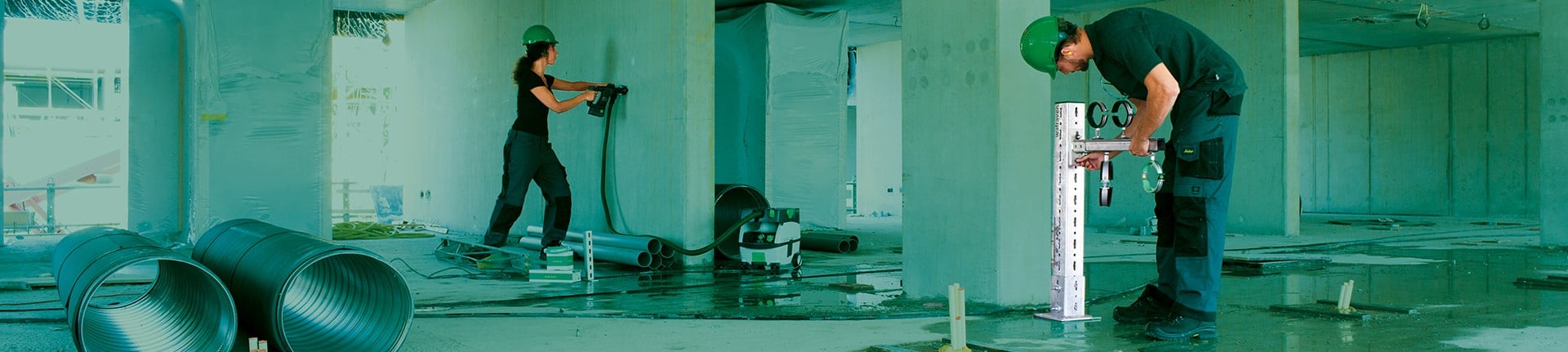
 There is a growing trend towards offsite solutions in the construction industry as a way of reducing onsite construction problems and speeding up site installations. We can offer pre-assembled constructions for pipe fixing, delivered straight to site, giving you one less thing to worry about.

 Product wish list 0









































 Or visit our international website.