Walraven Yeti® Type A-low Rubberfoot Support System (BUP1000)
for Rooftop Installations
I0472
When Trane faced the challenge of safely maintaining fans installed on high-level chillers, the company partnered with Walraven to develop an innovative access solution. Using virtual reality and physical testing, the project resulted in a safer and more efficient maintenance approach that is now being adopted as a standard solution.
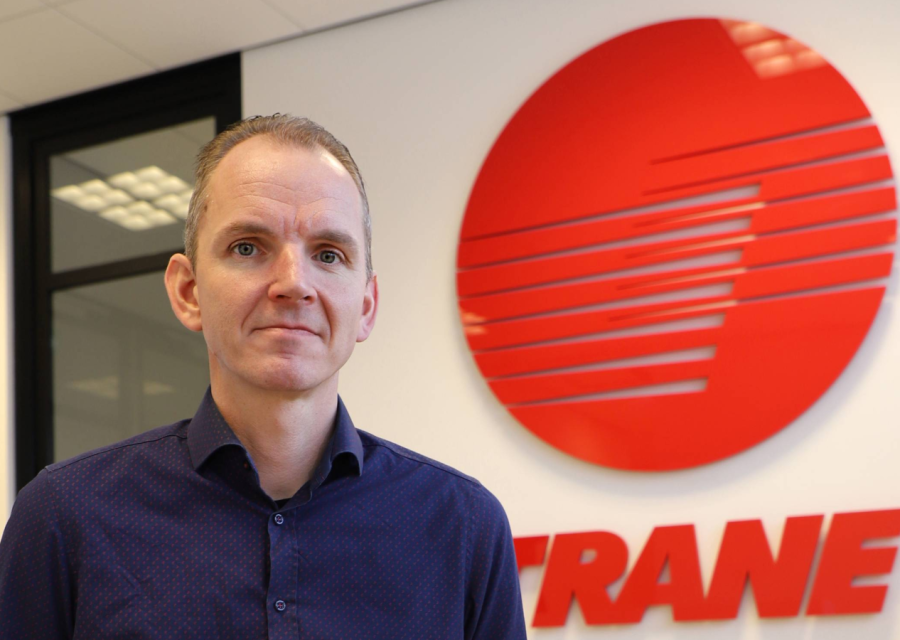
As a global specialist in cooling and heating solutions, Trane continually looks for ways to improve safety, performance and serviceability for its customers.
One particular challenge involved the replacement of fans on chillers installed at height. Maintenance engineers needed safe access to the equipment. However, safety requirements prevented them from walking directly on the units. At the same time, they could access the fans only from above, creating a complex maintenance challenge.
Trane therefore asked Walraven to develop a solution that would provide safe, practical access for service engineers while meeting the highest safety standards.
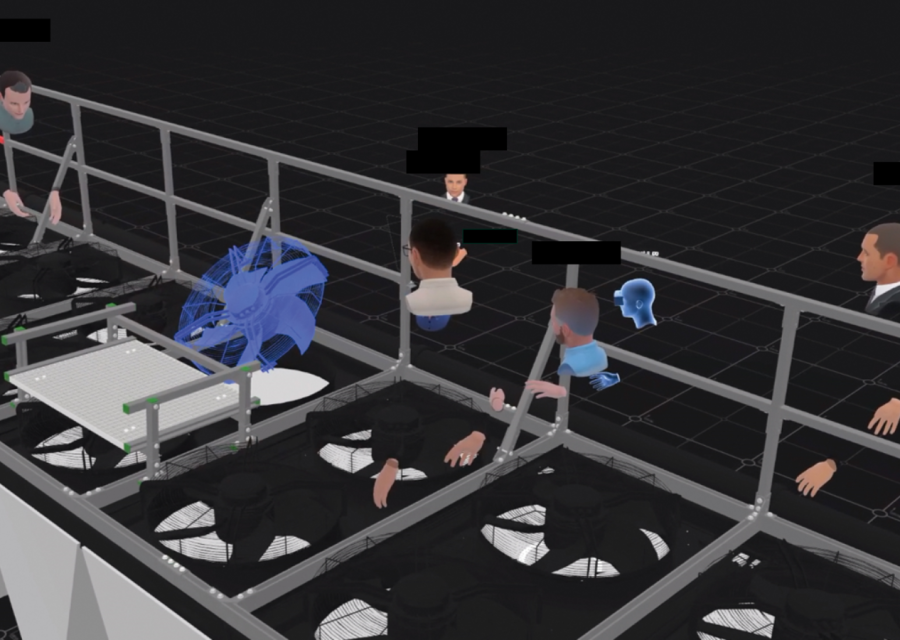
Because this was a unique challenge, a standard solution was not available. Walraven developed a bespoke service deck and safety handrail system, using virtual reality to visualise and test the design before construction.
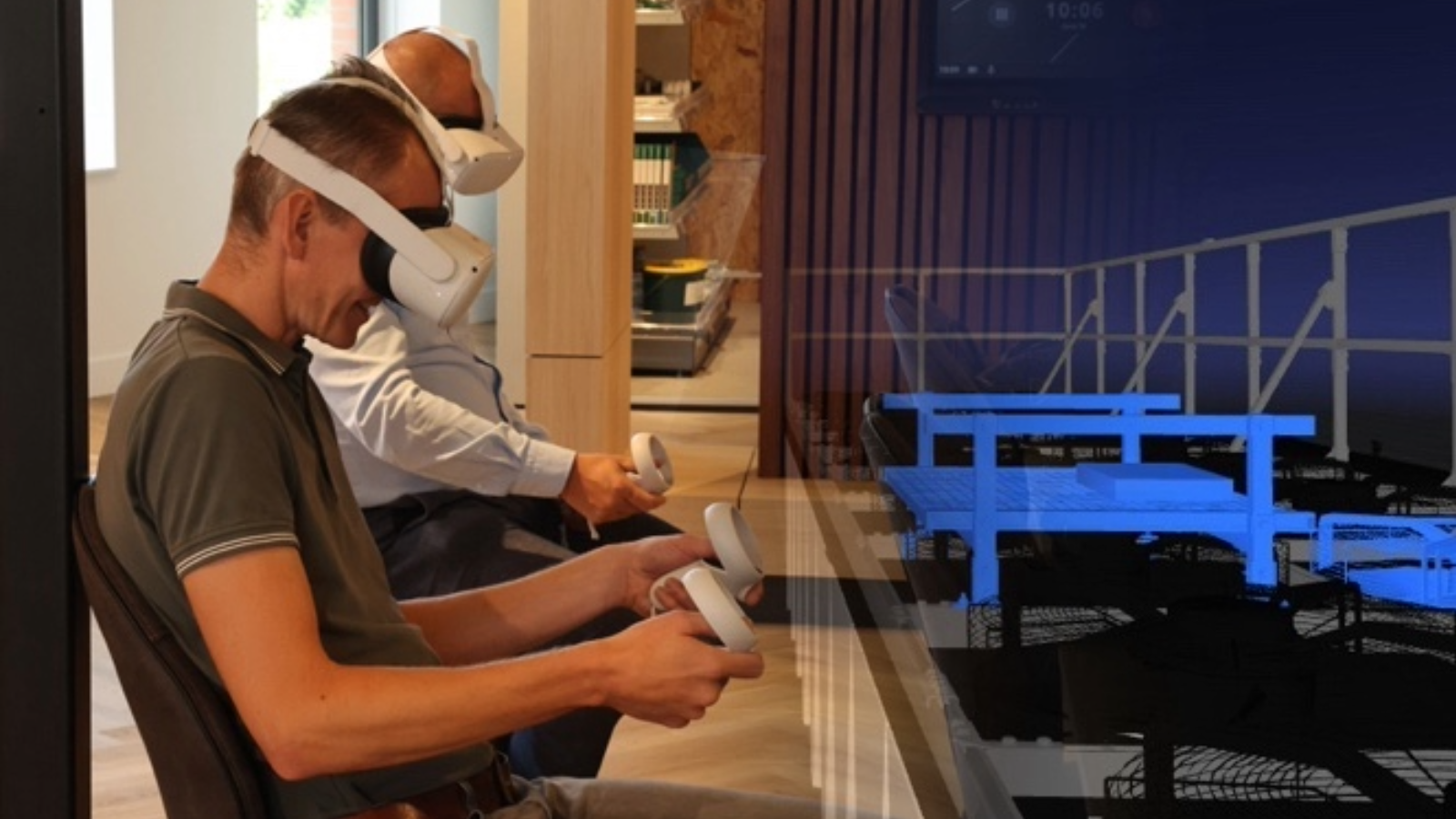
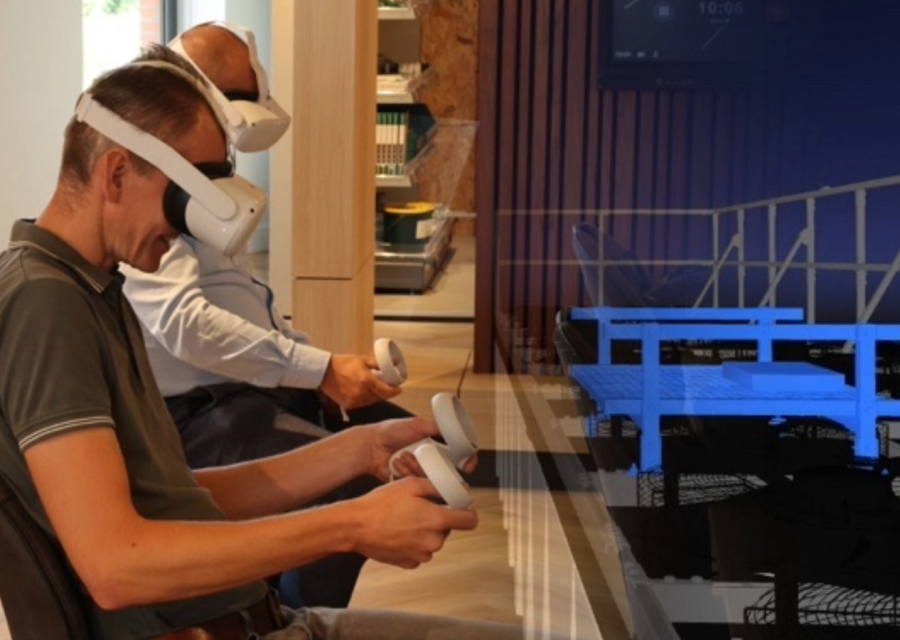
Within the VR environment, Trane, Walraven and maintenance engineers were able to simulate the fan replacement process and evaluate the design in a realistic setting. This helped the team optimise the safe maintenance access solution before construction began.
To further refine the design, a 2 x 2 metre mock-up was installed on a live customer installation, enabling additional testing and validation under real-world conditions.
Virtual reality played a key role throughout the project. By allowing stakeholders to experience the installation before it was built, discussions became more practical and focused. Trane and its customer could review the design as though it already existed, providing valuable feedback during the development phase.
The process also highlighted future opportunities for VR, including maintenance planning and training. Digital environments could help engineers verify equipment accessibility and train new technicians before entering operational sites.
The resulting solution has been extensively tested and successfully approved by the customer. As a result, Trane plans to offer the service deck and safety handrail configuration as a standard option on future projects.
The project demonstrates how close collaboration, digital innovation and practical testing can help solve complex maintenance challenges, creating safer working environments while improving long-term serviceability.
for Rooftop Installations
I0472
for Rooftop Installations
I0471
for Rooftop Installations
I0470