
Avoid common anchor installation errors
Incorrect anchor installation is the most common cause of issues with heavy duty anchors. It can reduce built-in safety margins and cause anchors to fail during installation or service. Some anchor types are more sensitive to errors than others. Therefore, installers must follow the correct installation process to achieve the anchor’s intended performance.
Follow the manufacturer’s prescribed installation procedure for every anchor which can be found in the ETA (European Technical Assessment) documentation. Therefore, you should start every safe installation by reviewing and following the official instructions.

Here are some important tips to help you avoid the most common anchor installation errors:
Correct hole cleaning
Sometimes an overlooked aspect of the anchor installation procedure, is the cleaning of a drilled hole. For mechanical anchors, cleaning the drilling dust out of the hole with a blow-out pump is generally sufficient. When the dust is removed, it will not interfere with the anchor’s functioning mechanism and the anchor will have sufficient space in the hole to reach its intended depth.
The hole cleaning procedure for chemical anchoring systems, however, is especially important. During the drilling, the drill bit compresses dust onto the surface area of the hole. Air generated by a blow-out pump or even compressed air is not sufficient to dislocate the dust and remove it. If the dust is not removed, the injected resin will bond to the dust instead of the concrete itself, and this will result in a significant performance loss of the anchor. The hole should be cleaned with a sequence of blowing and brushing operations, which is always detailed in a product’s approvals or technical documentation. The brush should have a slightly larger diameter than the hole it will clean. Avoid using nylon brushes, as their cleaning performance is generally low. Walraven recommends using hybrid brushes made of steel wire and natural bristle. If you are unsure what diameter or type of cleaning brush you should use, please feel free to contact our experts.
Minding the torque
Apply too little torque on a torque-controlled anchor and it will not deliver it’s intended performance. Apply too much torque and you will risk over-stressing the anchor and thus also affecting its performance. If you over-torque a chemical anchor installation, you may break the chemical bond between the resin and the steel element. If you do not tighten a fixture sufficiently, the gradual relaxation of the nut may reduce clamping force induced and thus jeopardize its safety. Therefore, it is important to apply the correct amount of torque.
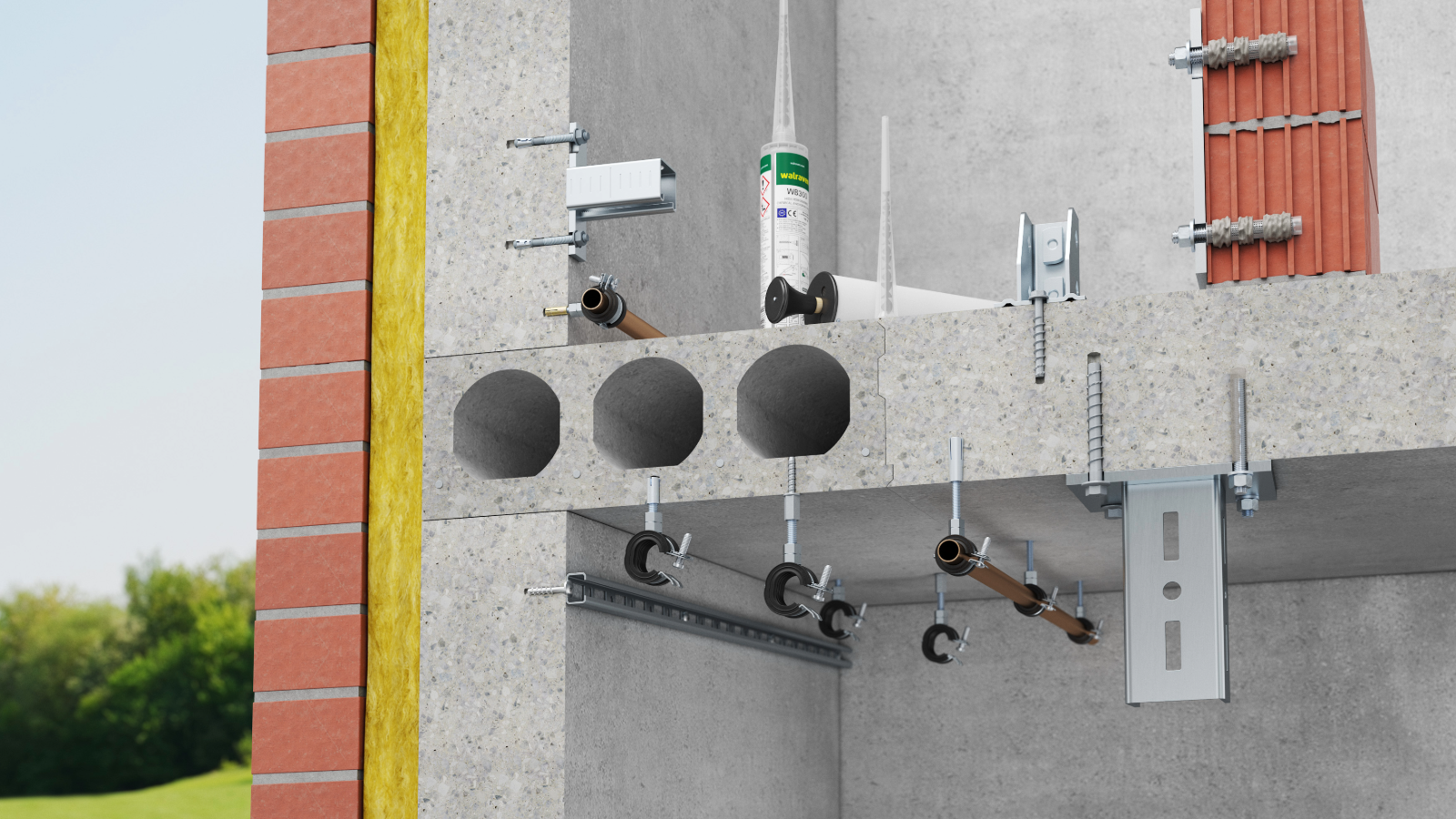
With a few exceptions, like some hammer-in anchors, most heavy duty concrete anchors require controlled-torque either to be set correctly or for correct tightening of a fixture. Getting it wrong without using a torque-wrench is very easy and the risk for adversely affecting the anchor performance is high. At the same time, torque-wrenches are widely available and torque-related installation issues can be avoided by using them.
Products approvals and technical documentation will always specify the amount of torque required to complete the installation correctly. Mind the torque, and you will be one step closer to installing safe anchors!
Getting anchor installation right
Correct hole cleaning and application of torque are two important aspects of anchor installation. Before installing anchors, familiarize yourself with their installation procedure in the ETA documentation and ensure that you have the right tools and accessories to install and set them.
Do you want more information about our Heavy Duty Anchors? Or can we help you in determining which anchor is the best for your installation? Please feel free to contact us.
Our Walraven Technical Support teams are always ready to help you with your project and provide advice on installation of anchors.