


In the fast-paced world of construction and building services, attention often gravitates toward defining the major HVAC and electrical equipment required to deliver the functional services. Yet, beneath these headline components lies an unsung hero: mechanical and electrical fixings. These small but vital elements ensure that installations are secure, compliant, and built to last. Unfortunately, M&E design is frequently left out of specifications, creating hidden risks that can derail even the most well-planned projects.
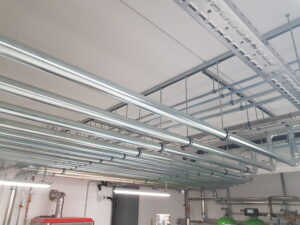 Despite their importance, fixings rarely receive the attention they deserve during design and procurement. Why?
This oversight can lead to inconsistent quality, compliance failures, and costly delays or remedial work later in the project lifecycle.
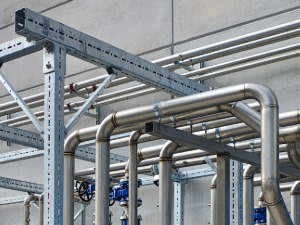
When fixings and supports are not clearly defined, contractors may opt for cheaper alternatives that compromise performance and do not meet compliance requirements. The consequences can include:
In short, what seems like a minor omission can have major implications for project success.

Making M&E design part of the specification conversation delivers tangible benefits:
 A strategic choice, not a detail
M&E design isn’t just about ticking a box, it’s about safeguarding your project’s integrity. In an industry where margins are tight and timelines are critical, overlooking fixings can be a costly mistake. By elevating fixings in your specifications, you ensure safety, compliance, and efficiency from day one.
As the construction sector moves toward greater accountability and sustainability, every component matters. The next time you review a specification, ask yourself: Are we giving fixings and supports the attention they deserve?
Walraven can support you in defining and delivering compliant, high performing support systems for your installations, so your installation doesn’t stall at the last moment.
 Product wish list 0







































 Or visit our international website.