


 Building services play an important role in the construction and performance of a building. Despite this, Walraven’s Technical Sales manager, Raajan Bains, commented that “Our experience tells us that building services fixings are rarely planned in at project design stage. In fact, they are frequently not considered until much nearer installation phase. Whilst this approach can work, it leaves little time and flexibility to plan the most effective and efficient fixings. Consequently, it can lead to time pressures, increased costs and increased risks when it comes to product selection and installation.”
 It is not unusual for construction projects to overrun. Even though supports and fixings can seem like a tiny part of the overall project, they can contribute key time-saving benefits if given the opportunity.
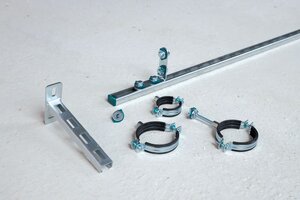
There are a huge amount of traditional fixing products on the market, as well as some more modern, time-saving alternatives. For example, modern pipe clamps can have faster installation features, there are lighter channel options like Walraven RapidRail to consider which can make channel installs quicker and easier. You can also investigate the benefits of using manufacturers or partners to preassemble frames for you and deliver to site prefabricated, saving valuable installation time.
When fixings are planned during the installation phase, the tendency can be to select products you have always used because decisions need to be made quickly. But this does not always allow you to reap the benefits of new product developments and services like prefabrication.
Not only can smart product selection save you time on site, it can also save you money! If you are using products that allow you to complete the installation faster, then by default you will also save on labour costs because labour time is also reduced.
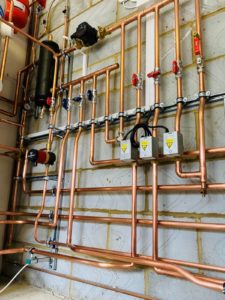 Another key to saving costs is planning ahead. Selecting fixings earlier in the project process can mean:
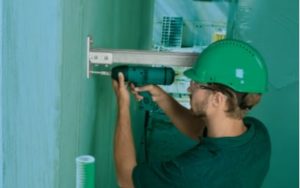 Construction projects are full of risk, even when installing building services, there are risks that can be reduced or mitigated. One major risk is installation failure. If M&E services go wrong there can be costly results of rework to fix issues. So making sure the correct products are selected AND installed correctly according to manufacturer instructions can go a long way to reduce risk of installation problems down the line.
Taking a little time up front to review installation instructions and train installers in the correct installation methods can pay off in the long run. If in doubt, many manufacturers offer onsite toolbox talks and training to install products correctly.
Planning your M&E fixings early may seem like overkill or too much hassle, but its impact is significant. By investing time upfront to review product options, consider installation requirements, and involve manufacturers where needed, you can unlock meaningful time and cost savings while reducing risk on site. Thoughtful planning not only streamlines installation but also helps ensure longterm performance and reliability—ultimately contributing to a smoother, safer and more efficient project overall.
Read our complete guide to optimising your building services installation.
 Product wish list 0









































 Or visit our international website.