


En ergy efficiency is a top priority for building owners and facilities managers, particularly when it comes to HVAC systems. These systems operate for long hours and account for a significant portion of overall energy consumption. Vibration within HVAC systems can seriously effect energy efficiency, and understanding why HVAC vibration increases energy consumption is key to improving performance.
HVAC vibration control solutions play a critical role in stabilising HVAC equipment. By reducing unwanted movement, they help systems run more efficiently, reduce mechanical stress, and extend operational lifespan – ultimately delivering a more sustainable installation.
 HVAC systems rely on motors, fans, and compressors to move air and regulate temperature. When these components vibrate excessively, some of the energy generated by the motor is wasted instead of being used productively. This leads to increased power draw to maintain performance, reduced airflow efficiency and additional strain on mechanical components.
Understanding why HVAC vibration increases energy consumption highlights the importance of investing in effective vibration‑control solutions which allow energy to be used where it matters most.
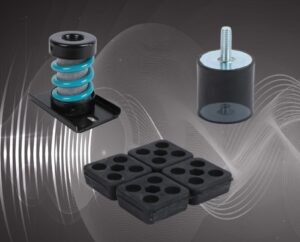 One of the most direct benefits of vibration isolation in commercial HVAC systems is improved operating efficiency. Anti‑vibration pads and mounts absorb oscillations produced during normal operation, keeping equipment stable and aligned. When equipment remains properly aligned, motors run more smoothly, fans maintain balanced rotation and compressors operate at optimal load.
So vibration isolation improves HVAC efficiency by allowing less resistance, less friction, and fewer energy losses. Over time, even small efficiency gains can translate into substantial energy savings.
Vibration doesn’t just waste energy – it accelerates mechanical damage. Over time, excessive vibration causes metal fatigue, loosened fasteners, and premature failure of internal components.
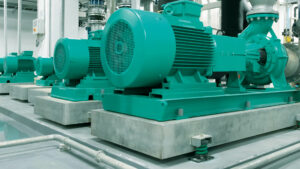 Effective ways to reduce mechanical stress in HVAC equipment include:
These solutions reduce wear and tear, lowering maintenance costs and increasing overall system reliability.
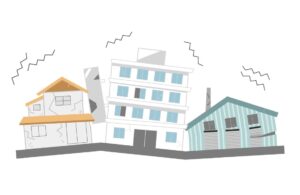 Left untreated, vibration can shorten the lifespan of expensive HVAC components. Bearings, shafts, housings, and pipe connections are all vulnerable to continuous mechanical stress. In addition, the vibration can cause unwanted noise transmission throughout the building disturbing its occupants.
Learning how to prevent HVAC damage caused by vibration involves addressing the problem at the source. HVAC vibration control solutions prevent vibration from travelling through equipment frames and into connected components or the building. This minimises structural fatigue and reduces the risk of sudden failures or unplanned downtime as well as noise disturbances.
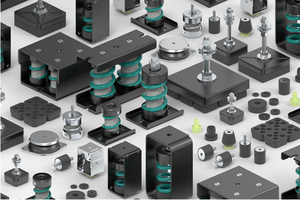 There is no single solution that fits every system. Choosing the best vibration‑control solutions for HVAC units depends on equipment size, operating speed, load type, and installation environment.
Common options include:
When properly selected and installed, these solutions dramatically improve HVAC performance and efficiency.
Addressing vibration is one of the simplest and most cost‑effective ways to improve HVAC performance. By understanding why HVAC vibration increases energy consumption and implementing the best vibration‑control solutions for HVAC units, facilities can significantly reduce energy waste, delivering a more sustainable installation, while protecting valuable equipment. For energy‑efficient, reliable HVAC operation, vibration control isn’t optional — it’s essential.
If you’re looking for reliable, trusted anti-vibration solutions for your next project, however big or small – discover Walraven’s VibraTek® anti-vibration solutions.
For advice and support selecting anti-vibration solutions for your next project, get in touch with our technical team.
And finally, if you’re interested to learn more about the basics of vibration you coul read our article published in Modern Building Services Magazine.
 Product wish list 0







































 Or visit our international website.