


One common factor that drives up material use, cost and embodied carbon on projects is over-specification. Understanding what it is, why it happens, and how to avoid it can lead to smarter, greener, and more cost-effective projects.
At its simplest, over-specification means selecting components with significantly more strength or capacity than the application requires. A familiar example is the widespread use of 41×41 strut channel for light pipework or cable runs that could be safely supported by lighter channel systems. While the installation may perform as intended, the additional steel, weight, and cost of using these over-specified components delivers no real benefit.
Over-specification can lead to:

Across a large project, these inefficiencies scale quickly.
There are several common drivers for over-specification of M&E fixings on jobsites:
The result is a ‘one-size-fits-all’ approach that rarely reflects actual performance requirements.
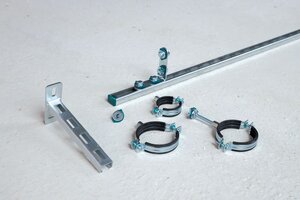
The key is matching the fixing solution precisely to the load and application. This starts with accurate load assessments, taking into account pipe or cable weight, spacing, and any dynamic factors. From there, contractors should select the lightest system that meets performance and compliance requirements, rather than defaulting to maximum capacity.
Crucially, this is where manufacturer expertise adds value. Walraven, for example, supports contractors and consultants with technical calculations, system selection advice, and ready-to-spec solutions. Our Walraven RapidRail® Light-duty Channel System is designed specifically to meet common
M&E requirements without the excess material of traditional strut.
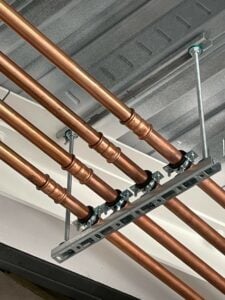 Moving from over-specified to optimised fixing solutions delivers clear advantages:
Importantly, these gains come without compromising performance or safety when delivered correctly.
 As the industry sharpens its focus on efficiency and sustainability, over-specification is an increasingly avoidable problem. With the right data, the right products, and the right support, contractors can move beyond “playing safe” and start specifying with confidence.
Because in today’s market, the best solution isn’t the heaviest or the one you’ve always used, it’s the one that’s precisely fit for purpose.
For support designing fit-for-purpose installations, contact Walraven Technical Support.
 Product wish list 0







































 Or visit our international website.